
Best Alternatives to Atlas Coffee Club: 2026 Guide
Table of Contents
- Why Coffee Drinkers Look Beyond Atlas Coffee Club
- How to Choose a Coffee Subscription That Fits Your Routine
- Single Origin Sample Packs: The Low-Risk Starting Point
- Best Sellers Sample Pack: Blends and Origins for Espresso Fans
- Flavored Coffees Sample Pack for Drinkers Who Want Variety
- Single Serve Coffee Pods Subscription: Convenience Without Compromise
- Direct Trade vs. Marketplace Models: Where Your Money Goes
- Subscription Fatigue and Inventory Management: How to Avoid Waste
- Frequently Asked Questions
Last Updated: October 4, 2026
Why Coffee Drinkers Look Beyond Atlas Coffee Club
The best alternatives to Atlas Coffee Club are sample packs and single-origin selections that let you test roast levels, origins, and brew compatibility before committing to a recurring charge.
Coffee subscriptions solve one problem and create another. They remove the decision of what to buy, then lock you into a fixed cadence, a fixed roast, and a fixed bill.
That is the gap this guide fills.
How to Choose a Coffee Subscription That Fits Your Routine
Choosing a coffee subscription comes down to four checks, not three: roast level, grind compatibility, delivery cadence, and cancellation terms. Get those right and almost any service will work for you.
Most subscription frustration traces back to a mismatch between what the service ships and how you brew. A dark roast built for espresso tastes flat in a drip machine.
Match Roast Level to Your Daily Brew Method
Roast level and brew method should agree with each other. A medium roast is the safest all-rounder because it holds up in drip, pour-over, and espresso.
If you brew drip most mornings, look for medium to medium-dark. If you own an espresso machine, a dark or medium-dark blend gives you more forgiveness on timing. Cold brew drinkers should lean dark.
Match Grind Setting to Your Brewer (The Gap Most Guides Skip)
Grind size is the variable most subscription guides ignore, and it is the one that decides whether your first bag tastes good or goes down the drain.
A practical starting point by brewer:
- French press: coarse grind, roughly the texture of sea salt. Steep 4 minutes.
- Drip machine: medium grind, like table salt. Most flat-bed drip brewers are forgiving here.
- Pour-over (V60, Chemex): medium-fine, closer to table salt than sand. V60 wants slightly finer than Chemex.
A common pattern is that a subscription ships whole bean by default and offers a pre-ground option at checkout. If you own more than one brewer, order whole bean and grind per brew.
Check Delivery Cadence and Cancellation Terms
Delivery cadence matters more than most buyers expect. A weekly plan sounds generous until you realize you drink one cup a day. Two to four weeks per shipment suits most households.

Read the cancellation policy before you enter a card number. Look for these specifics:
- Can you pause instead of cancel?
- Is there a minimum commitment period?
- Can you change roast or grind after the first order?
Services that let you skip a month without penalty are worth more than a small discount on the first bag.
Run the Bag Math Before You Subscribe
Subscription fatigue starts when inventory outpaces consumption. Do the math before you pick a cadence:
- A standard 12-ounce bag makes roughly 16 to 20 cups, depending on dose.
- One cup a day = about one bag every two to three weeks.
- Two cups a day = about one bag every week and a half.
If your plan ships faster than you drink, you are not getting fresher coffee, you are storing older coffee. Set the cadence to your real consumption, not to the discount tier that looks best at checkout.
Four checks decide whether a subscription fits: roast level, grind compatibility, delivery cadence, and cancellation terms. The grind check is the one most buyers skip and the one that most often ruins the first bag.
Single Origin Sample Packs: The Low-Risk Starting Point
Single origin sample packs are the lowest-risk way to explore coffee because they let you taste six different origins for the price of one full bag. Our Single Origin Favorites Sample Pack ships six 2-ounce packs for $24.99, covering Brazil Santos, Colombia, Costa Rica, Ethiopia, Honduras, and Tanzania.
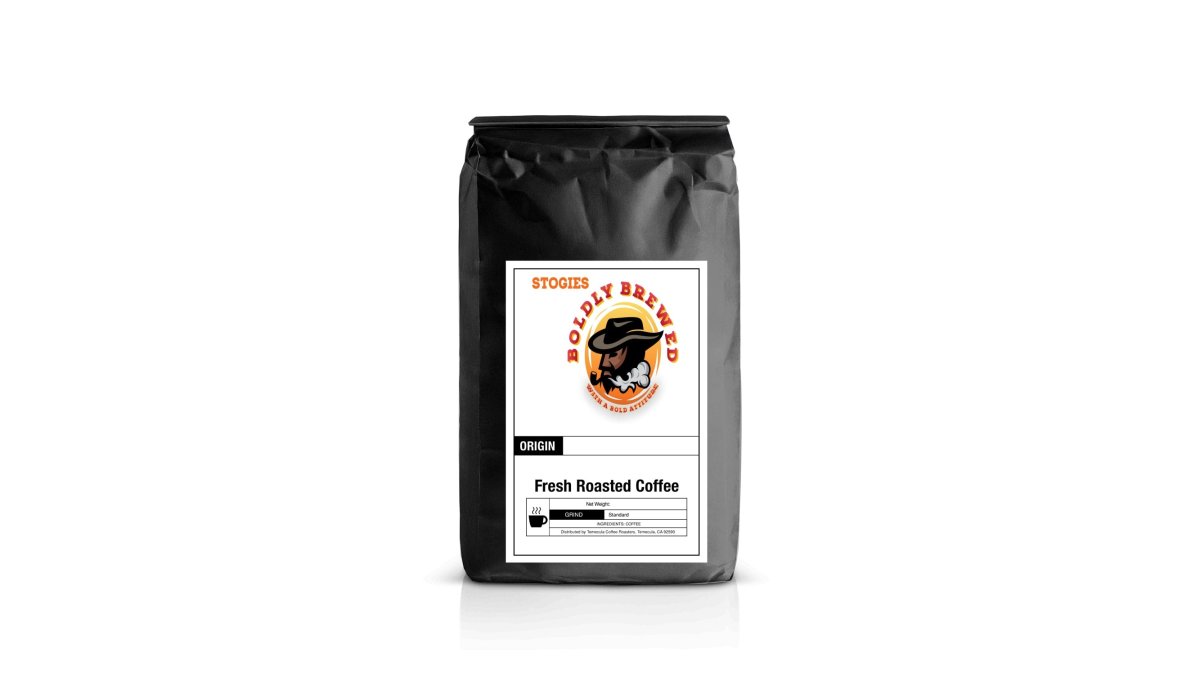
Each origin carries a distinct flavor profile. Brazil Santos brings cocoa and a smooth body. Ethiopia Natural leans fruity with caramel. Costa Rica tastes of sweet apple and honey. That range is the point: you learn what you actually like instead of guessing.
| Sample Pack | Price | Best For | What's Inside |
|---|---|---|---|
| Single Origin Favorites | $24.99 | Exploring origins | 6 single origins, 2oz each |
| Best Sellers | $24.99 | Espresso and blends | 6Bean, Cowboy, Breakfast, Peru, Mexico, Bali |
| Flavored Coffees | $24.99 | Variety and sweet profiles | Vanilla, Hazelnut, Cinnabun, Caramel, Mocha, Cinnamon Hazelnut |
Best Sellers Sample Pack: Blends and Origins for Espresso Fans
Espresso drinkers should start with blends, not single origins. The Best Sellers Sample Pack bundles 6Bean Blend, Cowboy Blend, Breakfast Blend, and single origins from Peru, Mexico, and Bali for $24.99.

6Bean is a dark roast house blend built for espresso. Cowboy Blend mixes dark and medium roasts with cocoa, caramel, and vanilla tones. Breakfast Blend stays medium and smooth.
That spread lets you dial in grind size against real results. Espresso extraction is unforgiving, so tasting six profiles side by side shortens the learning curve.
Flavored Coffees Sample Pack for Drinkers Who Want Variety
Flavored coffee gets dismissed by purists, but it has a real place. The Flavored Coffees Sample Pack offers French Vanilla, Hazelnut, Cinnabun, Caramel, Mocha, and Cinnamon Hazelnut for $24.99.

Every flavored coffee in the pack starts as specialty grade single origin, roasted in small batches to a smooth medium, then flavored with oils while still warm.
If you drink coffee with milk or syrup, flavored beans often replace both. That is a practical cost saving most guides skip.
Single Origin Favorites Sample Pack →
Single Serve Coffee Pods Subscription: Convenience Without Compromise
Single serve coffee pods are the fastest route to a consistent cup, and the trade-off is control over grind and dose. Single-serve K-Cup capsules are designed for convenience without sacrificing flavor.
Direct Trade vs. Marketplace Models: Where Your Money Goes
Direct trade means a roaster buys from growers or cooperatives without a middle layer. Marketplace models aggregate many roasters and take a cut. The difference shows up in traceability, in how much reaches the farm, and, the part almost no guide covers, in the shipping and packaging footprint of each model.
How the Two Models Actually Work
A roaster-direct subscription is a single supply chain. The roaster contracts with a farm or cooperative, imports the green coffee, roasts it in-house, and ships it to you.
A marketplace subscription is a platform. The platform signs up many roasters, takes orders from subscribers, and routes each shipment to a different roaster.
Neither model is inherently better. They optimize for different things:
- Roaster-direct optimizes for traceability and consistency. You can reorder the exact lot you liked.
- Marketplace optimizes for discovery. You taste more roasters without committing to any one.
The trade-off is real: a marketplace box can introduce you to a roaster you would never have found, but it can also ship you a coffee roasted two weeks earlier than a direct roaster would.
Traceability in Practice
Our single origins list the grower and region on every bag. The Peru comes from Cooperativa Agricola de Servicisios Norandino in Piura, Amazonas, Peru. The Honduras comes from 1,500 grower/members from Cafe Organics Marcala in Marcala, La Paz, Honduras.
That level of detail is what separates roaster-direct sourcing from a curated marketplace box. You are not guessing where the coffee came from, and if a lot tastes exceptional, you can ask for it again.
The Environmental Angle Most Guides Ignore
Shipping and packaging are where the two models diverge most, and where most subscription guides stay silent.
A roaster-direct subscription typically ships from one warehouse on a predictable schedule. That means fewer split shipments and, in many cases, recyclable or compostable bags and boxes.
A few questions worth asking any service before you subscribe:
- Is the bag recyclable, compostable, or neither?
- Does the roaster ship whole bean in a valve-sealed bag, or does it use a plastic-lined pouch?
- Are shipments consolidated, or does each roaster ship separately?
None of these questions have a universal right answer. But a subscriber who drinks two cups a day and receives four separate marketplace shipments a month is generating far more packaging than one who receives a single roaster-direct bag every three weeks, even if the coffee inside is comparable.
Roaster-direct buys traceability and a shorter supply chain. Marketplace buys discovery and variety. If environmental footprint matters to you, ask about packaging and shipment consolidation before you compare price per bag, the cheapest bag is not always the lightest one.
Subscription Fatigue and Inventory Management: How to Avoid Waste
Subscription fatigue is the point where a recurring charge outlives the excitement. It happens because inventory piles up faster than you drink it. The fix is simple math.
Track how many cups you brew per week. A standard 12-ounce bag makes roughly 16 to 20 cups depending on dose.
A few habits prevent the pile-up:
- Set delivery to every three to four weeks, not weekly
- Pause before you travel instead of canceling outright
- Store whole bean in an airtight container away from light
Grind size matters here too. If you buy whole bean and grind at home, match the grind to your brewer: coarse for French press, medium for drip, fine for espresso.
Frequently Asked Questions
Is Atlas Coffee Club worth the money compared to other coffee subscription options?
Value depends on what you want from a coffee subscription. Atlas Coffee Club delivers a curated selection of single-origin coffees from different regions each month, which suits drinkers who enjoy exploring tasting notes and flavor profiles. If you prefer specific roasts or want to control delivery cadence, a sample pack approach lets you try six origins for $24.99 before committing to a recurring plan. That trial period helps you decide whether the subscription model matches your brewing habits and budget.
How do I choose a coffee subscription for my taste preferences?
Start by identifying whether you lean toward light roast or dark roast. Light roasts highlight acidity, fruity notes, and floral aromas, while dark roasts bring out cocoa, caramel, and smoky tones. Next, check whether the subscription offers whole bean or ground coffee and whether you can set your grind size for espresso, pour-over, or cold brew. Finally, review the subscription frequency options and cancellation policy so you are not locked into a delivery cadence that outpaces your consumption.
Do any coffee subscriptions offer premium single serve capsules?
Yes. Some roasters provide single serve coffee pods subscription options alongside whole bean and ground coffee. These capsules deliver the same specialty coffee in a format that works with K-Cup compatible machines, which suits remote workers and office drinkers who want convenience without sacrificing flavor. When evaluating a pods subscription, check the roast date on each batch and confirm the pods use specialty grade beans rather than commodity coffee.
What should I look for in a coffee subscription's cancellation policy and trial period?
A flexible cancellation policy lets you pause or stop deliveries without penalties, which matters if your consumption varies month to month. Look for a trial period or sample pack that lets you test roast levels and origins before committing. Sample packs starting at $24.99 give you six 2oz bags, enough to brew multiple cups and decide which flavor profile you prefer. Also confirm shipping costs and whether the roaster ships within a few days of roasting to protect freshness.
How can I avoid subscription fatigue and wasted coffee?
Subscription fatigue happens when deliveries arrive faster than you can drink them. Match your delivery cadence to your actual consumption: a daily two-cup drinker uses roughly one 340g bag every two weeks. If you travel or work from the office part of the week, choose a longer interval or a flexible plan you can pause. Storing whole bean coffee in an airtight container away from light and heat keeps it fresh for several weeks past the roast date, reducing waste between shipments.
Coffee subscriptions work best when they match your brew method, your pace, and your taste, and that is exactly where most plans fall short. BO'S COFFEE LLC builds sample packs that let you test before you commit, with single origins traced to named growers and blends roasted for espresso. Start with a sample pack, find your profile, then order the full bag with confidence. Explore the full range and awaken the bold within.