

Is Gourmet Coffee Worth the Extra Cost? 2026 Guide
Table of Contents
- The Real Cost Per Cup: Gourmet Coffee vs. Grocery Store Coffee
- What Is the Difference Between Specialty and Commercial Coffee?
- Does Gourmet Coffee Actually Taste Better? A Sensory Breakdown
- How to Store Gourmet Coffee Beans for Freshness
- How to Minimize Water Waste When Brewing
- The Ethics Behind the Price Tag: Sourcing and Sustainability
- Is Gourmet Coffee Worth the Extra Cost? A Decision Framework
- Frequently Asked Questions
Last Updated: September 30, 2026
The Real Cost Per Cup: Gourmet Coffee vs. Grocery Store Coffee
Is gourmet coffee worth the extra cost? For most daily drinkers, yes, if you run the numbers per cup rather than per bag. This guide from BO'S COFFEE LLC breaks down the math, flavor, and ethics behind the price tag.
Breaking Down the Math
The bag price tells you almost nothing. The cost per cup tells you everything.
The math starts with brew ratio.
Run the arithmetic on three real-world tiers:
- Commodity can, pre-ground: A typical 12-ounce supermarket can at the low end of the shelf runs around $8. At 30 cups per can, that lands near $0.27 per cup.
- Mid-tier grocery whole bean: A 12-ounce bag in the $12 to $14 range lands near $0.40 to $0.47 per cup.
- Gourmet whole bean: A 12-ounce bag at $18 to $22 lands near $0.60 to $0.73 per cup.
| Option | Typical Cost Per Cup | What You Get |
|---|---|---|
| Grocery store can | Lowest | Consistent but flat flavor, older roast dates |
| Gourmet whole bean | Mid-range | Fresh roast, traceable origin, fuller flavor |
| Café espresso drink | Highest | Convenience and atmosphere, not value |
The Monthly Math That Actually Matters
Per-cup cost is useful, but monthly spend is what hits your budget. Two cups a day is about 60 cups a month: roughly $18 at $0.30 per cup, or $42 at $0.70, a delta of about $24, roughly two café drinks.
Where the Extra Money Actually Goes
The premium over commodity coffee is not one line item. It is a stack:
- Green coffee price: Specialty-grade beans command a higher farmgate price than commodity C-market coffee, and the gap widens for high-scoring lots.
- Sorting and grading: Removing defects by hand and by machine costs labor that commodity blends skip.
- Roast profile development: Small-batch roasting to a specific profile takes more roaster time and more discarded test batches than a dark, uniform commodity roast.
- Freshness logistics: Roast-to-order and short shelf-life models cost more to run than warehousing pallets of coffee for months.
- Traceability and relationships: Direct trade, farm visits, and lot separation all add cost that a blended commodity supply chain avoids.
What Is the Difference Between Specialty and Commercial Coffee?
Specialty coffee is coffee that scores 80 points or higher on the industry's 100-point cupping scale, graded by licensed Q graders. Commercial, or commodity, coffee falls below that threshold and is typically blended for consistency and cost rather than character.
Cupping Scores and Grading Standards
The Specialty Coffee Association cupping standards define how those scores are assigned and what each range means. In practice, a few points of difference changes everything downstream: how the beans are sorted, how they are roasted, and how much a roaster can pay the farm.
- 80-84 points: Very good, everyday specialty
- 85-89 points: Excellent, often single-origin
- 90+ points: Outstanding, rare, and priced accordingly
Does Gourmet Coffee Actually Taste Better? A Sensory Breakdown
Yes, and the difference is measurable in the cup. Higher-scoring beans carry more distinct flavor notes, cleaner acidity, and a longer finish. Commodity coffee tastes flat and bitter because defects and stale roast dates flatten the profile.
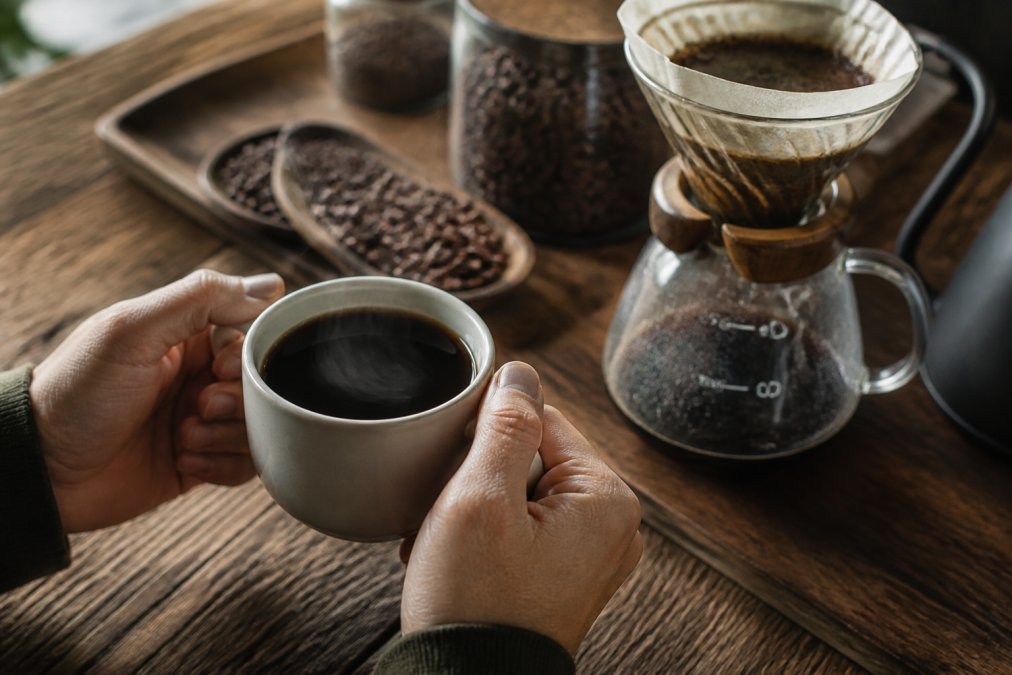
Run Your Own Blind Taste Test at Home
You can settle the question at your own kitchen table in about 30 minutes with a setup that costs almost nothing.
What you need:
- Two coffees: one commodity pre-ground or grocery whole bean, one fresh gourmet whole bean
- Two identical mugs or cups, plus a way to label them out of sight (tape on the bottom works)
- A burr grinder if you have one, or pre-ground versions of both coffees to keep the method identical
- A kitchen scale, if you have one, to keep the dose equal
- A notepad
The method:
Coffee with Mushrooms Medium Roast →
- Grind both coffees to the same size. If you only have one grinder, grind the commodity coffee first, rinse the grinder, then grind the gourmet. Identical grind size is the whole point.
- Weigh or measure equal doses. Same grams of coffee, same grams of water, same temperature. If you do not have a scale, use the same scoop level for both.
- Brew both the same way. Same method, same water, same time. A pour-over or French press works well because you control every variable.
- Label the cups A and B out of sight. Have someone else set them in front of you, or shuffle them yourself without looking.
- Taste both, then write down which you prefer and why. Note sweetness, bitterness, acidity, body, and how long the flavor lingers after you swallow.
- Reveal the labels. Compare your notes to the actual coffees.
What most people find:
- The fresh gourmet coffee usually reads sweeter and less bitter, even when both are brewed identically.
- The finish is the giveaway. Commodity coffee tends to drop off quickly; gourmet coffee often leaves a pleasant aftertaste for 30 seconds or more.
- The aroma before the first sip is often the most obvious difference. Fresh coffee smells like the flavor notes on the bag; stale coffee smells like cardboard or nothing at all.
Why this test is fair:
What to Look For Beyond "Better"
When you taste, look for specific signals that separate a high-quality bean from a commodity one:
- Sweetness: Gourmet coffee often tastes sweet without sugar because ripe, well-processed beans carry natural sugars through the roast.
- Clean acidity: A bright, fruity acidity that feels pleasant rather than sharp or vinegary.
- Body: A rounder, heavier mouthfeel that coats the tongue instead of feeling thin and watery.
- Finish: A long, pleasant aftertaste rather than a quick fade or a lingering bitterness.
- Complexity: Multiple distinct notes that shift as the cup cools, rather than one flat flavor from first sip to last.
How to Store Gourmet Coffee Beans for Freshness
Storing gourmet coffee beans for freshness comes down to four enemies: air, moisture, heat, and light. Beat all four and your beans hold their flavor for weeks instead of days.
- Keep beans in an airtight, opaque container
- Store at room temperature, away from the stove and oven
- Buy whole bean and grind just before brewing
- Skip the freezer for daily-use beans; condensation ruins them
- Buy in quantities you will finish within a few weeks
How to Minimize Water Waste When Brewing
Minimizing water waste when brewing starts with one habit: only heat the water you will actually use. Most home brewers fill the reservoir to the top, then pour the extra down the drain.
A few practical fixes:
- Measure water to your cup count instead of filling the tank
- Reuse rinse water for plants rather than the sink
- Clean your machine with the minimum water its manual specifies
- Fix dripping seals early; a slow leak wastes more than you think
The Ethics Behind the Price Tag: Sourcing and Sustainability
A large share of what you pay for gourmet coffee goes back to the supply chain. Specialty roasters typically pay above commodity market prices to secure better beans, a premium that makes quality farming viable.
Is Gourmet Coffee Worth the Extra Cost? A Decision Framework
It is worth it if you drink coffee daily, care about flavor, and would otherwise buy café drinks. It is not worth it if you drink one cup a month or cannot taste the difference.
| If You... | Choose |
|---|---|
| Drink coffee daily and want better flavor | Gourmet whole bean |
| Buy café drinks most mornings | Gourmet, brewed at home |
| Drink occasionally and don't notice flavor | Commercial is fine |
| Want convenience without sacrificing quality | Gourmet pods or capsules |
| Want to try before committing | A sample pack |
Frequently Asked Questions
What makes coffee considered 'gourmet'?
Gourmet coffee, often called specialty coffee, is defined by its quality grade. It must score 80 or above on a 100-point scale used by certified graders. This score reflects factors like flavor complexity, acidity, body, and aroma. Gourmet beans are typically single-origin or carefully blended, roasted in small batches, and sold within weeks of roasting rather than months. The higher grade comes from better growing conditions, selective picking, and precise processing methods that preserve distinct flavor notes.
Does expensive coffee actually taste better?
Blind taste tests consistently show that most people can distinguish gourmet coffee from commodity coffee. Gourmet beans offer more complex flavor notes like dried orange, berry, or honey, while commercial beans tend toward a flatter, more bitter profile. The difference is most noticeable in black coffee. If you add milk and sugar, the gap narrows. For those who drink coffee daily, the improvement in aroma, aftertaste, and overall sensory experience often justifies the higher price.
How does ethical sourcing affect the price of coffee?
Fair trade and direct trade certifications guarantee farmers a minimum price that covers sustainable production costs. This often means paying 20 to 50 percent above commodity market rates. Those premiums fund better farming practices, education, and infrastructure. When you buy gourmet coffee with verified ethical sourcing, more of your money reaches the grower. Brands that publish their sourcing relationships and certification details give you a way to confirm the claims.
How can I tell if a coffee brand is truly premium?
Look for a roasting date on the bag, not just a best-by date. Premium roasters print the exact day beans were roasted because freshness matters. Check for specific origin information: farm name, region, altitude, and processing method. Certifications like Fair Trade or Rainforest Alliance add credibility. Finally, read reviews that mention flavor notes and consistency. A brand that shares cupping scores or grower partnerships is more likely to deliver true gourmet quality.